

Confirmed and unknown
Mutations are a collection goal; their public data model is not available
The distinction protects the guide from turning visual design into invented categories.
- Confirmed by description
- Players can collect rare fighters and mutations.
- Supported by media
- Visually distinct fighter appearances appear in approved promotional art.
- Not publicly specified
- Mutation names, categories, rarity tiers, roll rates, stat effects, upgrade rules, and complete availability.
Current interface record
Capture the label and appearance before testing an effect
Identity, visual state, and battle observation are separate fields. Keep them separate so one does not silently imply the others.
 Official experience media
 | Field | Record | Boundary |
|---|---|---|
| Fighter label | Exact current in-game name or identifier. | Do not substitute an unsupported community label. |
| Mutation label | Exact current interface wording, if shown. | Leave blank rather than naming a visual state yourself. |
| Appearance | Visible color, aura, silhouette, or other change. | Description does not prove rarity or effect. |
| Growth state | Displayed level or current growth marker. | Control it when comparing battle behavior. |
| Team context | Same slot, surrounding fighters, wave or checkpoint, and Team HP. | Change one variable where possible. |
| Observed result | Repeatable change under similar conditions. | Do not infer a hidden formula from one number. |
| Observed at | Date of the current-interface check. | Revalidate mutable details after updates. |
Start with what the current interface explicitly labels. If no mutation name is shown, use a neutral visual description. Then test the fighter in the same lineup slot and similar encounter context. This prevents a growth change, surrounding fighter swap, or different enemy state from being mistaken for a mutation effect.
A displayed damage number is one observation, not a permanent stat. Repeat the comparison and focus on the team-level outcome that matters to your decision, such as survival or progress.
Visual comparison
Compare variants without ranking what the sources do not quantify
The Day 1/67 framing shows promotional progression, but it does not establish a timed mutation path.
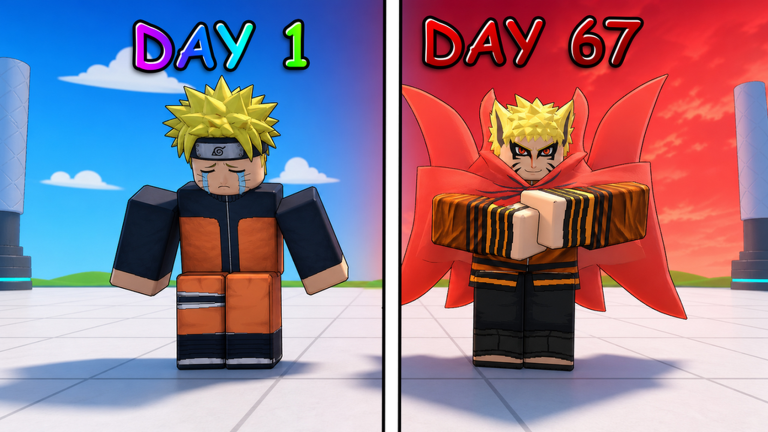 Official experience media
 - Match the live fighter identityCompare variants only when the current interface gives you a reliable identity match.
- Preserve exact labelsRecord the mutation wording rather than translating a visual cue into a category.
- Control growth and team contextA different level or lineup can change battle results independently.
- Repeat the practical testUse several similar encounters before treating a difference as consistent.
- Keep rate and rarity unknownNo reviewed first-party public source publishes a complete rate or rarity table.
Collection decisions
Value information quality before an irreversible choice
Sparse public data makes the current interface and your own dated record especially important.
Before merging, replacing, or otherwise consuming a fighter with a visually distinct state, confirm what the live interface says will happen. The official description makes mutations desirable collection targets, but it does not publish recovery rules or a universal value hierarchy.
Keep a variant when its identity, rarity, effect, or reversibility is unclear and the action appears irreversible. This is not a claim that the fighter is rare or optimal; it is a risk-control response to missing information.
Mutation questions
Frequently asked questions
What are all mutation types in Roll Anime to Fight!?
The reviewed first-party public sources do not publish a complete mutation taxonomy. The official description confirms mutation collecting, and approved art shows visually distinct fighter appearances, but the images do not label categories. Use exact current in-game labels and treat any unlabelled visual state as unknown.
What is the mutation roll rate?
No verified first-party rate table was available in the reviewed listing or public APIs. A percentage copied from an unsupported source could become wrong after an update or may describe a different context. Read the current interface if it publishes a rate and record the date and exact wording.
Does a visual mutation always improve damage?
That is not established by the public evidence. A battle image can show a fighter, a visual state, and a damage number in one frame, but it does not isolate the mutation from level, team, enemy, or update context. Compare the live-labeled state under controlled conditions before drawing a practical conclusion.
Sources
Last verified: