
What the index can prove
Start with visible states, not invented roster rows
A useful fighter index can describe evidence quality even when first-party entity data is sparse.
- Named fighter records in public first-party APIs
- None identified in the reviewed sources
- Durable public fighter stat fields
- None identified
- Approved visual evidence
- Nine official experience-media images plus the official game icon
- Safe comparison dimensions
- Visible appearance, live in-game label, displayed growth state, current mutation label, team context, and repeatable battle observation
Official image evidence
Three kinds of visual comparison appear in approved media
The images support appearance, growth, and battle-context comparisons without supplying names or formulas.
 Appearance comparison
  Battle context
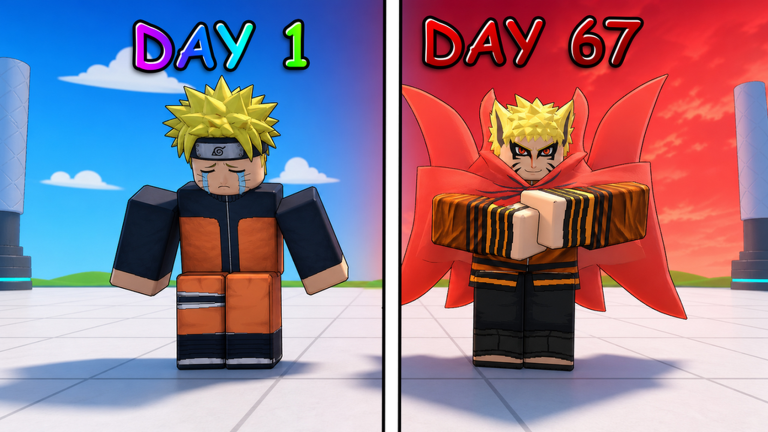
 The visual comparison image shows multiple appearances of a similar fighter silhouette. That is enough to support the existence of visibly distinct variants, but not enough to decide whether each appearance is a mutation, level state, rarity, cosmetic, or another system label. Use the current interface wording when classifying what you own.
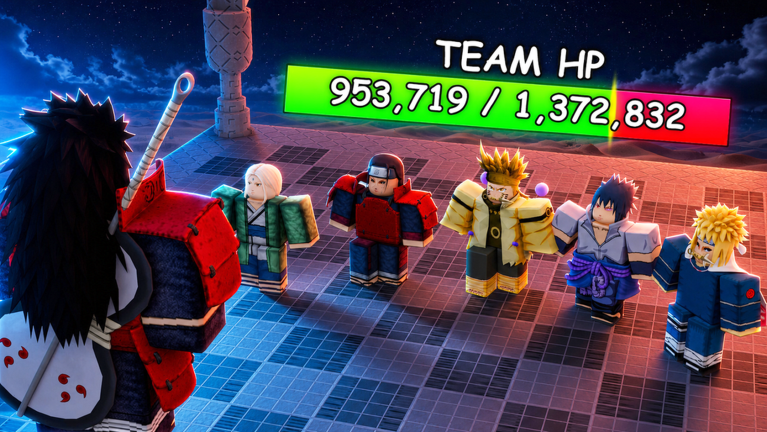
The battle frame shows how a fighter can be viewed in combat context. Its displayed damage number is evidence that damage feedback appears, not evidence of a permanent value. Compare the same fighter across similar conditions before making a practical team decision.
Player-side record
Build a current fighter record from fields you can verify
Use the smallest record that answers your decision, and preserve the observation date because the live experience can change.
| Field | What to record | Evidence rule |
|---|---|---|
| Displayed name | The exact label in the current interface. | Do not normalize it to a community nickname without a first-party match. |
| Appearance | A concise visual description or receipt-bound screenshot reference. | Do not infer a named mutation category from color or silhouette alone. |
| Growth state | The level or growth marker currently displayed. | Do not infer a universal cap from Level 67 promotional art. |
| Mutation state | The exact mutation label shown in-game, if one is shown. | Do not invent rarity, rate, or effect fields. |
| Team context | Surrounding lineup, checkpoint or wave context, and Team HP. | Change one slot where practical. |
| Observed result | A repeatable difference in battle under similar conditions. | Do not convert one run into a hidden-stat claim. |
| Observed at | Date and game version context available to you. | Treat mutable details as time-bound. |
- Use the live labelThe current game interface is the authority for a fighter name or mutation label that is missing from public APIs.
- Capture one stable contextKeep the same checkpoint and surrounding team when comparing one fighter.
- Repeat the observationSeparate a consistent pattern from animation timing, random variation, or a changing enemy state.
- Keep unknown fields blankAn empty rate, formula, rarity, or ability field is more accurate than an attractive guess.
From fighter to lineup
A fighter entry becomes useful when it explains team context
Approved media consistently frames multiple allied fighters against enemies or a boss, which makes the lineup—not a single portrait—the practical unit of evaluation.
 Official experience media
 A visually impressive fighter may not answer the question you actually have: whether the current team survives, maintains Team HP, or progresses more consistently. Record which slot changed and what happened to the shared battle state. That creates a decision-oriented entry rather than a decorative gallery row.
Do not label a fighter as universally best from one boss image, one damage number, or one high growth marker. Those images are evidence of presentation and systems. A fixed tier ranking requires comparable, current data that the reviewed first-party sources do not provide.
Honest gap state
What a future complete roster would require
The page can grow when durable, first-party-supported data appears. Until then, the missing columns remain explicit.
- Identity evidenceA first-party name or unambiguous current interface capture tied to a fighter record.
- Field definitionsPublished meanings for rarity, mutation, growth, damage, attack behavior, or other attributes.
- Comparable conditionsA repeatable measurement method that controls team and encounter context.
- Update provenanceA verification date and source showing whether a record remains current.
Fighter questions
Frequently asked questions
Is this a complete Roll Anime to Fight! fighter list?
No. The reviewed official Roblox listing and public APIs do not expose a complete named roster. This page deliberately identifies that gap and provides a visual comparison method. It will not imply that fighters absent from approved media are absent from the live experience.
Can the official images be used to name mutations?
Not by themselves. One approved image shows multiple visually distinct appearances, but it does not label mutation categories, rarity, rates, or effects. Use the exact current in-game label when available and keep the category unknown when the interface or a first-party source does not state it.
Why not copy a community tier list?
A tier list needs current, comparable fighter identities and performance fields. Public first-party sources currently supply neither a complete roster nor a durable stat schema. Copying a ranking would hide that evidence gap and could mislead players after updates, so this index focuses on reproducible team-context observations.
Sources
Last verified: