

Confirmed mechanic
Merging is a growth action, but its recipe is live data
The description connects merging with leveling fighters. Every requirement beyond that must come from the current interface.
- Confirmed
- Players can merge fighters to level them.
- Observed in approved art
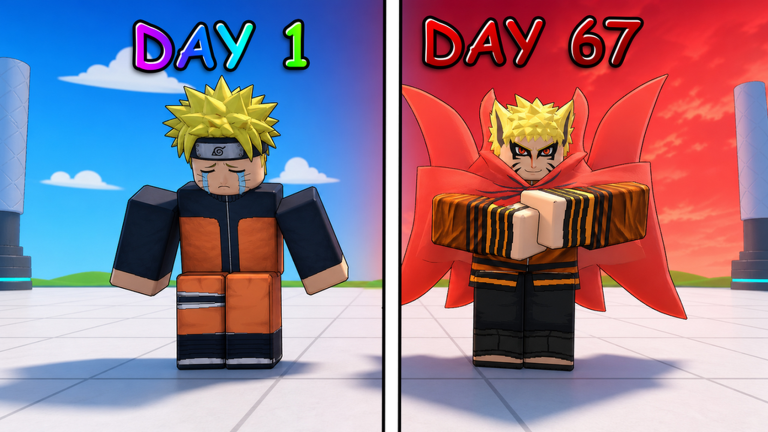
- A Level 1/67 promotional comparison shows visible fighter growth.
- Not publicly specified
- Input count, matching rules, cost, success rate, output preview rules, formula, and universal level cap.
Prepare the comparison
Record the fighter and team state before merging
A clean before state lets you separate the result of merging from a simultaneous lineup, mutation, or checkpoint change.
- Identify the live fighter labelUse the exact current name or label; public APIs do not provide a roster that can safely replace it.
- Record displayed growthCapture the level or growth state shown by the interface without inferring a hidden formula.
- Note mutation and appearancePreserve the exact current label if present, or describe only visible differences.
- Fix a battle contextChoose the same lineup slot and similar wave or checkpoint context for the post-merge comparison.
- Read the merge promptConfirm inputs, costs, eligibility, preview, and any warning in the current version.
The purpose of this record is practical: after the merge, you should be able to say exactly which displayed state changed. It does not need speculative columns for rarity rates, hidden multipliers, or a calculated value that the game never exposes.
If the current interface does not preview the outcome clearly, treat the action as uncertain. The wiki cannot supply a missing guarantee from sparse first-party metadata.
After the action
Separate displayed growth from battle performance
A changed level marker and a changed battle outcome are related questions, not the same observation.
 Official experience media
 | Layer | Before | After | Safe conclusion |
|---|---|---|---|
| Interface | Displayed fighter label and growth state. | Displayed fighter label and growth state. | State exactly what the interface changed. |
| Appearance | Visible form and current mutation label. | Visible form and current mutation label. | Describe a visual change without inventing a category. |
| Team | Same surrounding fighters and slot. | Same surrounding fighters and slot. | Hold team context stable where possible. |
| Encounter | Similar wave, checkpoint, enemy, and Team HP context. | Comparable context. | Treat differences as observations until repeated. |
| Claim boundary | No assumed formula. | No assumed formula. | Do not reverse-engineer a universal rule from one action. |
First confirm the direct interface result: a level or growth marker changed, an input disappeared, or the output preview became the new fighter state. Then test practical performance under similar conditions. The second step can help with a lineup decision, but it does not reveal a universal hidden statistic.
Promotional Level 1/67 and Day 1/67 comparisons reinforce the idea of growth over time. Neither frame publishes how merging reaches those states, whether 67 remains a cap, or whether every fighter shares one formula.
Decision discipline
Use merge resources where the evidence is strongest
Without a public formula, the safest strategy is to prioritize clarity, not to pretend certainty about efficiency.
- Prefer previewed outcomesA current interface preview is stronger evidence than a remembered recipe or promotional level label.
- Protect uncertain fightersDelay an irreversible action when the interface does not clearly identify what will be consumed or produced.
- Compare one growth changeAvoid merging, mutating, and replacing several team slots before testing the result.
- Recheck after updatesCosts and eligibility are mutable live-game data, so a previously observed recipe may stop applying.
Merge questions
Frequently asked questions
How many fighters are required for a merge?
The reviewed first-party listing and APIs do not publish a required count. Read the current merge interface, which can show eligible inputs and any cost or preview. This guide does not turn a one-time observation or third-party claim into a permanent recipe.
Does the Level 67 image prove the maximum level?
No. The approved image is a promotional Level 1/67 comparison. It proves that those labels appeared together in official media, but it does not state that 67 is a universal or permanent maximum, that every fighter reaches it, or that merging follows one formula.
Can a merge result be reversed?
No reviewed public first-party source specifies reversibility. Check the live prompt for warnings and assume an action may be irreversible when the interface does not clearly promise recovery. Preserve uncertain or rare-looking fighters until the current game makes the outcome and consumption rules clear.
Sources
Last verified: